
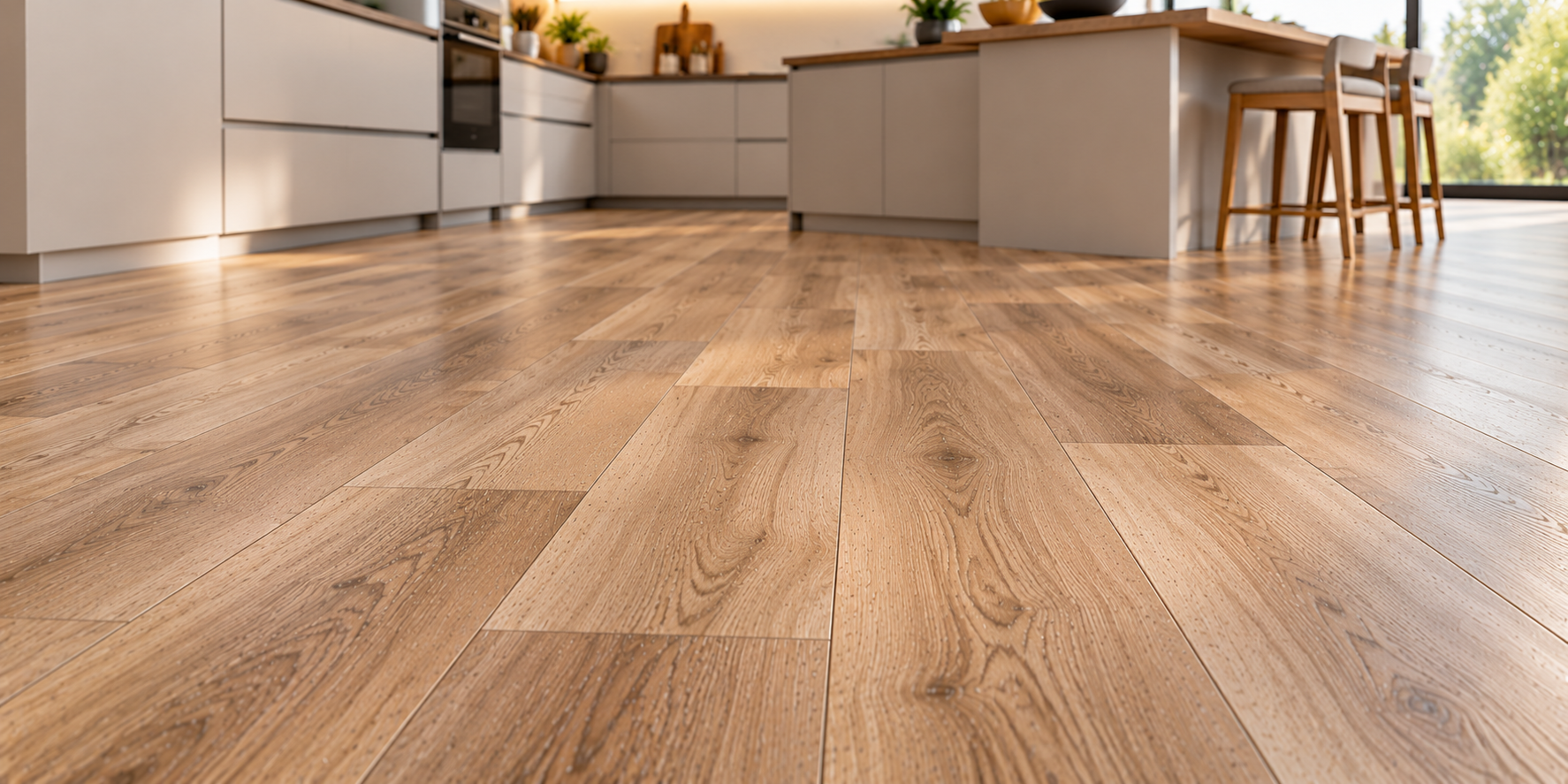
Choosing the right flooring can make a significant difference to the comfort, appearance, and performance of a space. Two popular modern options are Luxury Vinyl Tile (LVT) and Stone Plastic Composite (SPC) flooring. While both offer attractive designs and excellent durability, they have different characteristics that make them suitable for different applications. LVT Flooring LVT is known for its realistic wood, stone, and decorative designs combined with a comfortable feel underfoot. Its flexible construction makes it suitable for homes, offices, retail spaces, hotels, and other interiors where aesthetics and comfort are important. SPC Flooring SPC flooring features a rigid composite core that provides excellent dimensional stability and durability. It is particularly suitable for areas exposed to heavy traffic, moisture, or demanding everyday use. SPC also offers a wide range of modern wood and stone-inspired designs. Which One Should You Choose? The right choice depends on your space, usage, design preferences, and performance requirements. LVT can be an excellent choice when comfort and design flexibility are priorities, while SPC is well suited to applications where rigidity and durability are especially important. At House of Bima, flooring is our specialty. With over 24 years of industry experience, we help customers select flooring solutions suited to residential, commercial, and industrial environments. Looking for the right flooring for your project? Explore our flooring solutions or speak with our team for expert guidance.
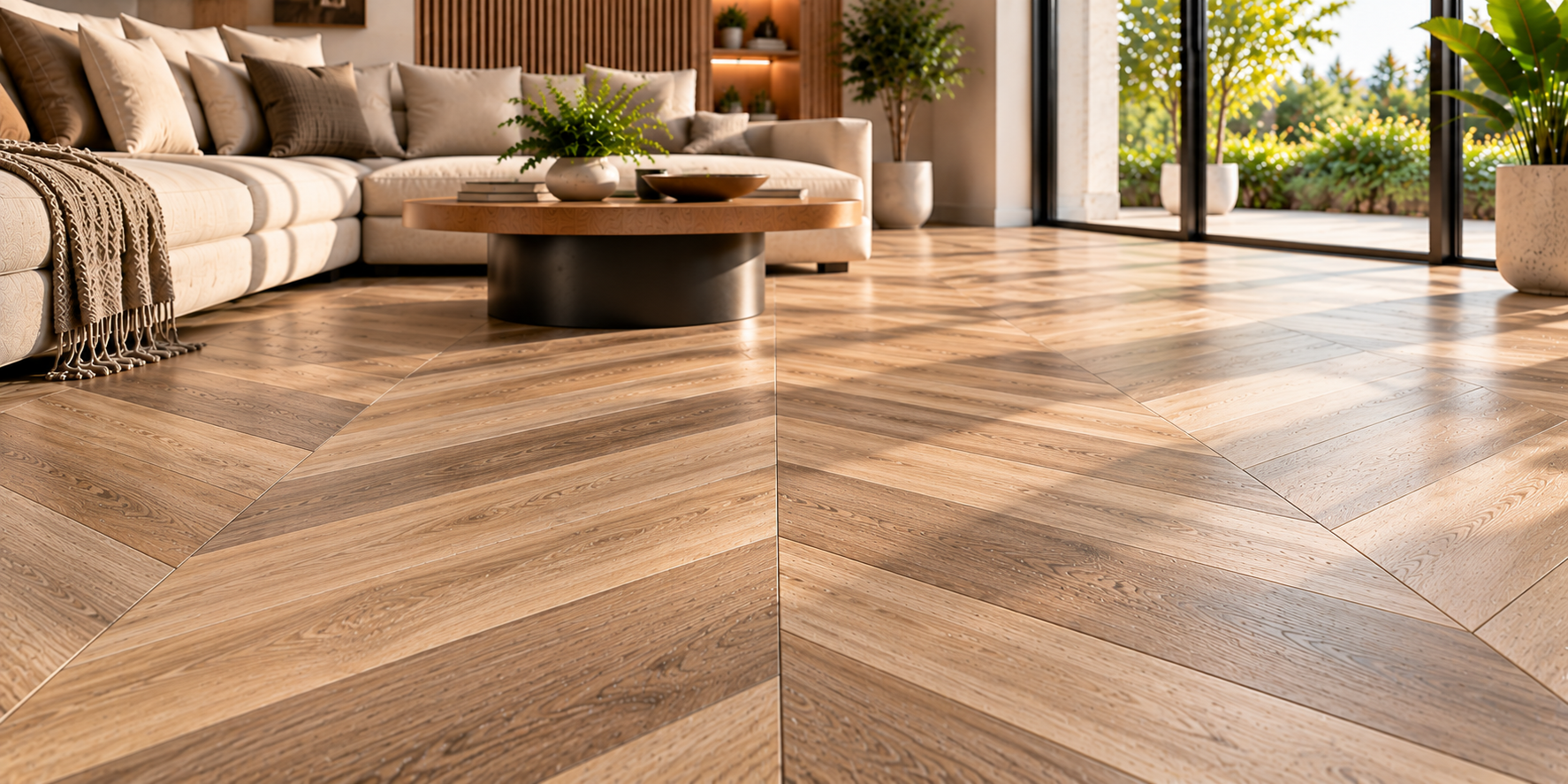
7 Things to Consider Before Installing Vinyl Flooring
Vinyl flooring is a popular choice for modern homes, offices, hotels, and commercial spaces because it combines attractive designs with durability and easy maintenance. However, choosing the right product is only part of the process. Before installation, there are several important factors to consider. 1. Consider Where the Flooring Will Be Used Different spaces have different flooring requirements. A bedroom may prioritize comfort and appearance, while a busy office, hotel, or commercial space may require flooring designed for heavier traffic. 2. Check the Subfloor A clean, level, and properly prepared subfloor is essential for a quality installation. Uneven surfaces, cracks, moisture, or other underlying issues should be addressed before the flooring is installed. 3. Choose the Right Type of Vinyl Flooring Vinyl flooring comes in different forms, including LVT, SPC, homogeneous vinyl, embossed vinyl, and printed vinyl. Each type has different characteristics and applications, so the right choice should be based on the requirements of your space. 4. Think About Foot Traffic Consider how much daily traffic the floor will receive. High-traffic areas such as offices, retail spaces, hotels, and commercial buildings may require flooring with higher durability and wear resistance. 5. Consider Moisture and Humidity Sri Lanka’s warm and humid climate makes moisture an important consideration when selecting flooring. The flooring system and installation method should be appropriate for the environment where it will be used. 6. Don’t Overlook Installation Quality Even a high-quality flooring product can perform poorly if it is installed incorrectly. Proper surface preparation, accurate installation, and attention to finishing details all contribute to the final result and long-term performance. 7. Think Long-Term Don’t choose flooring based only on how it looks today. Consider durability, maintenance, cleaning requirements, expected usage, and how well the design will suit the space over time. Choose Flooring With Confidence The right flooring should balance design, durability, performance, and practicality. At House of Bima, flooring is our specialty. With over 24 years of experience, we provide flooring solutions for residential, commercial, and industrial spaces. Looking for the right vinyl flooring for your project? Talk to House of Bima and find a solution suited to your space.
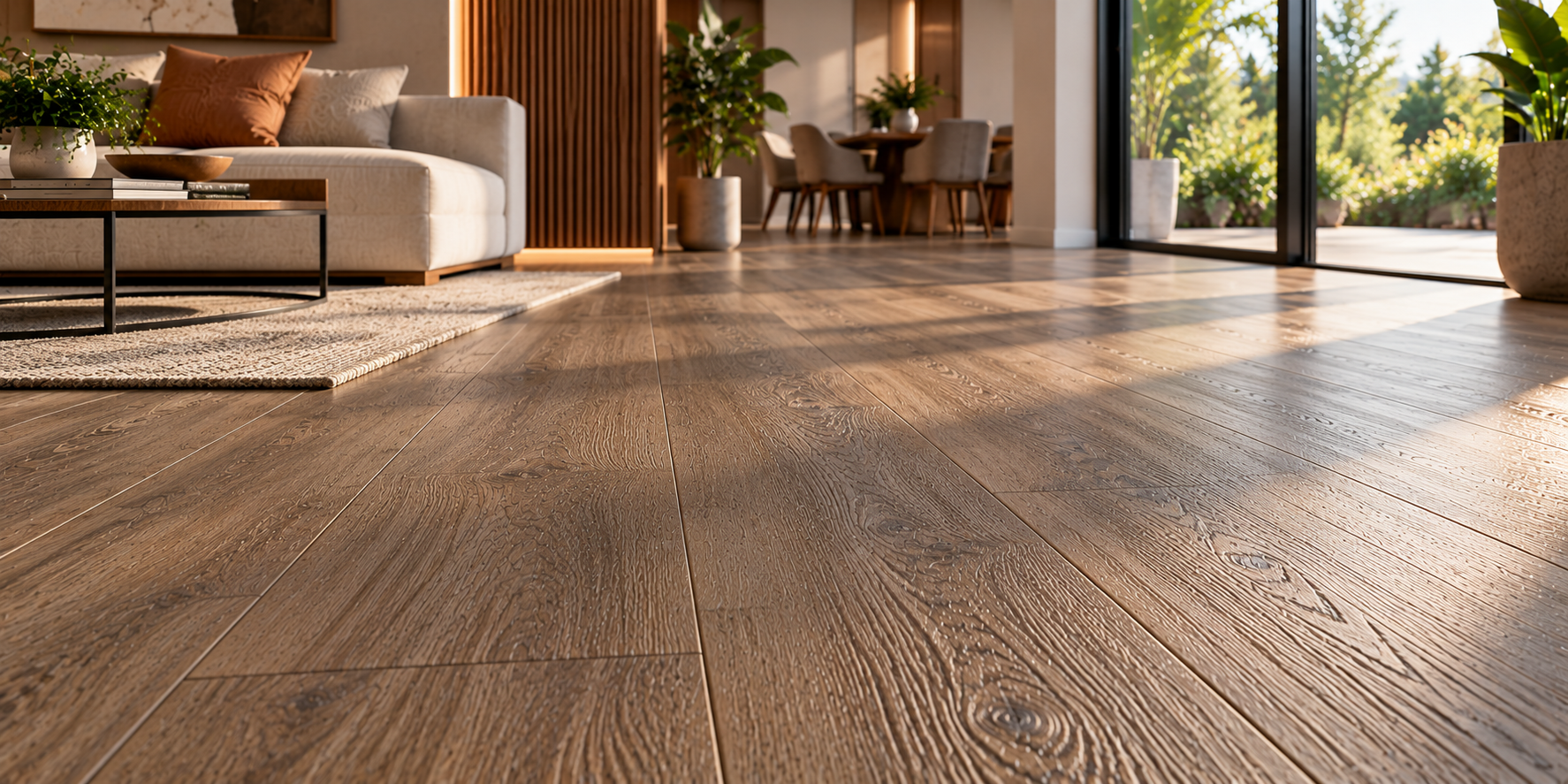
How to Choose the Right Vinyl Flooring for Your Home or Business
Choosing vinyl flooring is about more than selecting a colour or pattern. The right flooring should match the way a space is used, the level of traffic it receives, and the performance you expect over time. Here are some important factors to consider when selecting vinyl flooring for your home or business. 1. Start With the Space Think about where the flooring will be installed. Bedrooms, living rooms, offices, retail spaces, hotels, healthcare facilities, and industrial environments can all have different requirements. A comfortable flooring solution may be ideal for a home, while a busy commercial environment may require a product designed for higher traffic and demanding use. 2. Consider Foot Traffic The amount of daily traffic is an important factor when choosing vinyl flooring. Areas with frequent movement, such as offices, shops, hotels, and public spaces, generally require flooring with appropriate durability and wear resistance. 3. Choose the Right Flooring Type Vinyl flooring comes in several options, including Luxury Vinyl Tile (LVT), Stone Plastic Composite (SPC), Homogeneous Vinyl, Embossed Vinyl, and Printed Vinyl. Each has different characteristics, designs, and applications. Understanding the differences can help you select a flooring solution that fits your project. 4. Think About Moisture and the Environment The conditions of the space should also influence your choice. Areas exposed to moisture, frequent cleaning, or changing environmental conditions may require a flooring solution specifically suited to those conditions. For projects in Sri Lanka, it is especially important to consider the local climate and installation environment. 5. Consider Design and Interior Style Vinyl flooring offers a wide range of colours, textures, patterns, and realistic wood and stone designs. Consider how the flooring will work with your walls, furniture, lighting, and overall interior design. The floor occupies a large visual area, so the right choice can significantly influence the character of a space. 6. Look Beyond the Initial Price The cheapest flooring option isn’t always the most economical choice in the long run. Consider the product’s durability, maintenance requirements, expected lifespan, and suitability for the application. A flooring solution that performs well over time can provide greater value than simply choosing the lowest upfront cost. 7. Don’t Ignore Installation Good flooring depends on good installation. Proper subfloor preparation, accurate installation, suitable adhesives or fixing systems, and attention to finishing details can all affect the performance and appearance of the finished floor. For larger commercial and industrial projects, professional advice is particularly valuable. Find the Right Flooring for Your Space There is no single vinyl flooring solution that is perfect for every application. The right choice depends on where it will be used, how it will be used, the desired appearance, and the performance requirements of the space. At House of Bima, flooring is our specialty. With over 24 years of experience, we provide flooring solutions for residential, commercial, and industrial environments. Not sure which flooring is right for your project? Talk to our team and let us help you find a solution that fits your space.
